
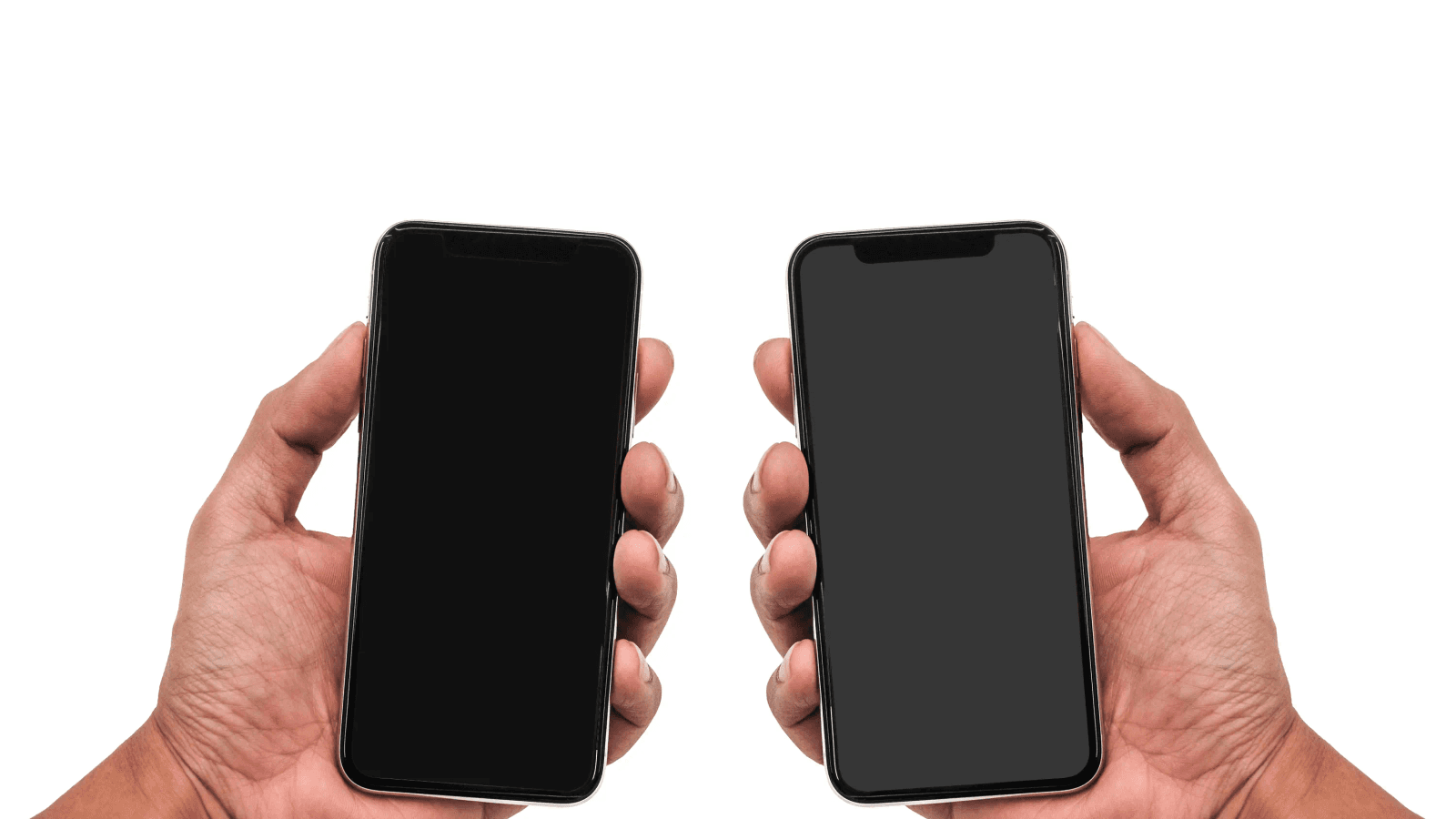
When choosing a smartphone, tablet, or even a monitor, the type of display is one of the most important factors to consider. Two of the most popular panel technologies today are OLED (Organic Light Emitting Diode) and IPS (In-Plane Switching LCD). Each comes with its own strengths and weaknesses, so understanding their differences can help you make the right decision.
What Is an OLED Display?
An OLED display works by allowing each pixel to emit its own light, eliminating the need for a backlight. This technology makes blacks appear much deeper and contrast levels significantly higher. In addition, OLED is more power-efficient when displaying dark content and delivers more vibrant colors.
Advantages of OLED:
- Exceptional contrast with true blacks.
- Sharper and more vivid visuals.
- Wider viewing angles.
- Thinner and more flexible device designs.
Disadvantages of OLED:
- Generally more expensive.
- Risk of burn-in with long-term use.
- Consumes more power when displaying bright or white content.
What Is an IPS Display?
On the other hand, an IPS LCD display relies on a backlight system to produce images. This well-established technology is widely used in mid-range smartphones, laptops, and monitors. IPS panels are known for their stability, durability, and fairly accurate color reproduction.
Advantages of IPS:
- More affordable.
- Accurate and natural color output.
- Longer lifespan with minimal risk of burn-in.
- More efficient when displaying white backgrounds (e.g., reading documents).
Disadvantages of IPS:
- Blacks are not as deep due to the backlight.
- Lower contrast compared to OLED.
- Panels tend to be thicker.
OLED vs IPS: Which One Suits You Best?
- For entertainment and multimedia: OLED is the winner, offering richer colors and stunning visuals—perfect for movies, gaming, and immersive content.
- For productivity: IPS is more suitable, especially for long reading or work sessions, as it delivers a stable and natural display.
- For durability: IPS lasts longer overall, while OLED requires more care to avoid potential burn-in issues.
Conclusion
Both OLED and IPS have their own clear advantages. If you prioritize premium image quality with deep blacks and vibrant colors, an OLED display is the way to go. But if you prefer a more durable, budget-friendly, and comfortable screen for everyday use, an IPS panel might be the smarter choice.
By understanding the key differences between OLED and IPS, you can decide which display technology best matches your needs and lifestyle.
